The Framework
- Ask: "Whose task is this?". For any situation causing stress, identify who ultimately bears the consequences. The person who faces the consequences owns the task.
- Do your tasks fully. Take complete responsibility for your own tasks. Don't half-commit or blame others for your outcomes. Your life is your task.
- Don't intrude on others' tasks. Stop taking responsibility for things that aren't yours. You cannot control others' emotions, decisions, or opinions of you.
- Don't let others intrude on yours. Reject attempts by others to make their tasks your responsibility. Saying no to others' tasks is saying yes to your own life.
- Offer help without attachment. You can assist others with their tasks, but the outcome remains theirs. Help without expectation or resentment.
Use It When
- You're stressed about something outside your control.
- You're taking responsibility for others' emotions or choices.
- Someone is making their problem your problem.
- You're seeking approval or validation from others.
- Interpersonal conflicts are draining your energy.
Avoid When
- You're caring for dependents who genuinely need your help.
- Collaboration requires genuine shared responsibility.
- You're using it to justify coldness or lack of empathy.
- The situation involves mutual obligations you've agreed to.
Examples
Your boss is upset with your proposal. Your task was to create the best proposal you could—you did that. Their emotional reaction is their task. Accept feedback professionally, but don't carry their emotions as your burden.
Your teenager won't study for exams. Your task is to provide resources, support, and encouragement. Actually studying and facing the consequences is their task. Support without controlling.
You share honest feedback and your partner becomes defensive. Your task was honest communication. Their emotional processing is their task. Don't retract truth to manage their feelings.
A friend constantly vents without seeking solutions. Listening once is kindness; becoming their emotional dump is taking on their task. Redirect them to therapy or problem-solving—that's their work to do.
Further Reading

The Courage to Be Disliked
The source of the Separation of Tasks concept, based on Alfred Adler's individual psychology. A dialogue-format book that revolutionizes how we think about relationships and responsibility.
View on Amazon →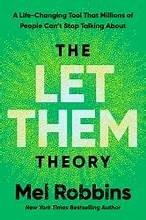
The Let Them Theory
A practical companion to task separation. Robbins provides scripts and strategies for releasing control over others' lives and focusing on your own power.
View on Amazon →
The Subtle Art of Not Giving a F*ck
Reinforces personal responsibility as the key to freedom. Manson argues we must choose our problems carefully and take full ownership of our lives—no one else will.
View on Amazon →