The Framework
- Identify the control impulse. When you feel frustration, anxiety, or anger about someone else's behavior, pause. Notice the urge to change, fix, or control what they're doing.
- Say "Let them.". Mentally release your grip. Let them make their choice, have their opinion, live their life. This isn't approval—it's acceptance of reality.
- Recognize what you can control. Redirect energy to your own actions, responses, and boundaries. You control your behavior, not theirs.
- Set boundaries, not ultimatums. "Let them" doesn't mean tolerating harm. It means responding with boundaries about what you will do, not demands about what they must do.
- Reclaim your energy. Every moment spent trying to control the uncontrollable is energy stolen from your own life. Invest it where it matters.
Use It When
- You're exhausting yourself trying to change someone who won't change.
- You feel frustrated by others' choices that don't actually affect you.
- You're in conflict over things outside your control.
- Someone's behavior is triggering your anxiety but isn't your responsibility.
- You need to preserve a relationship while disagreeing with their choices.
Avoid When
- Someone's behavior directly harms you or others who need protection.
- You're responsible for guiding someone (children, direct reports in critical situations).
- The situation requires intervention, not acceptance.
- You're using it to avoid necessary confrontation or boundary-setting.
Examples
Your colleague consistently misses deadlines. Instead of nagging or covering for them, let them face the consequences. Focus on your deliverables and communicate clearly about dependencies. Let them manage their reputation.
Your partner wants to spend money differently than you would. Instead of fighting about every purchase, let them. Agree on shared financial goals, maintain your boundary on joint expenses, and let them handle their personal spending their way.
Your adult sibling makes life choices you disagree with. Let them. You've shared your perspective; continuing to push only damages the relationship. Let them live their life and face their own consequences.
Friends cancel plans last minute. Instead of feeling hurt and trying to guilt them, let them. Make backup plans, expand your social circle, and let unreliable people reveal who they are without emotional investment from you.
Further Reading
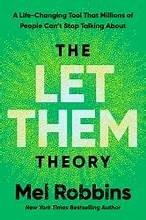
The Let Them Theory
The bestselling guide to releasing control and finding freedom. Robbins provides a simple but powerful framework for letting go of what you can't control and focusing on what you can.
View on Amazon →
The Courage to Be Disliked
Based on Adlerian psychology, this book explores the separation of tasks—understanding what is your responsibility and what belongs to others. Essential reading for boundary-setting.
View on Amazon →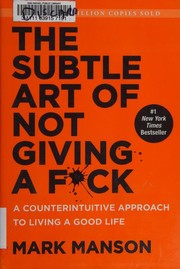
The Subtle Art of Not Giving a F*ck
A counterintuitive approach to living a good life by choosing what to care about. Manson argues that we have limited energy for caring, and we must choose wisely.
View on Amazon →