The Framework
- Distinguish fault from responsibility. You may not be at fault for your circumstances, but you are responsible for your response. Fault looks backward; responsibility looks forward.
- Own your interpretations. Events don't have inherent meaning—you assign it. Take responsibility for the stories you tell about what happens to you. Different stories create different realities.
- Own your emotions. Others can trigger emotions, but you generate them. No one "makes" you feel anything. This isn't blame—it's power. You can change what you control.
- Own your actions. Regardless of circumstances, you choose your behavior. Stop waiting for conditions to change. Act within your constraints rather than using them as excuses.
- Release responsibility for others. You can influence others but can't control them. Taking responsibility for their choices disempowers both of you. Own yours, release theirs.
Use It When
- You feel victimized by circumstances and want to reclaim power.
- Blaming others has become a pattern that keeps you stuck.
- You want to change but keep waiting for external conditions to improve.
- You need to take action despite unfair circumstances.
- You're ready to stop making excuses and start making progress.
Avoid When
- You're using it to blame yourself for others' harmful actions.
- Systemic issues require collective action, not just personal responsibility.
- You're in an abusive situation requiring protection, not ownership.
- You're processing genuine trauma that needs compassion first.
Examples
You didn't get the promotion. Not your fault—maybe it was politics. But it is your responsibility to decide: stay and improve, have a direct conversation, or find better opportunities elsewhere. Waiting for fairness won't help.
Your partner said something hurtful. Their words were their fault. Your emotional response and what you do next is your responsibility. You can communicate, set boundaries, or leave—but you can't control what they said.
Genetics gave you predispositions. Not your fault. Managing your health within those constraints—diet, exercise, medical care—is your responsibility. Work with what you have rather than resenting what you don't.
Childhood circumstances shaped you in ways you didn't choose. Not your fault. Healing, growing, and choosing who you become now is your responsibility. The past explains; it doesn't excuse or determine.
Further Reading
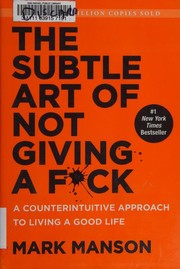
The Subtle Art of Not Giving a F*ck
The source of the fault/responsibility distinction. Manson makes a compelling case that taking responsibility (not blame) for everything in your life is the path to empowerment.
View on Amazon →
The Courage to Be Disliked
Adlerian psychology rejects determinism. Your past doesn't determine your future—you choose your life in each moment. This radical freedom comes with radical responsibility.
View on Amazon →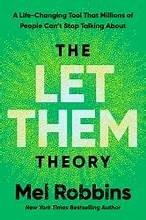
The Let Them Theory
The complement to responsibility ownership: releasing responsibility for others. Own what's yours fully while letting others own what's theirs.
View on Amazon →