The Framework
- Accept that problems are constant. Life doesn't become problem-free. Solving one problem reveals the next. The goal isn't to eliminate problems but to choose better ones.
- Ask: "What pain am I willing to endure?". Every goal comes with inherent struggles. Instead of asking what you want, ask what you're willing to suffer for. Your answer reveals your real priorities.
- Evaluate problems by their rewards. Some problems lead to growth, meaning, and better circumstances. Others lead to more problems. Choose problems that upgrade your life when solved.
- Reject problems that aren't yours. Many problems we adopt weren't chosen—they were inherited, assigned, or absorbed. Audit your problems and release those that don't serve your values.
- Upgrade, don't eliminate. Trade shallow problems (comfort, status, approval) for deeper ones (meaning, growth, contribution). The quality of your life equals the quality of your problems.
Use It When
- You're overwhelmed by too many problems competing for attention.
- You're solving problems that don't actually matter to you.
- You want something but aren't willing to do what it takes.
- You're stuck in shallow problems and want more meaning.
- You need to prioritize where to invest your limited energy.
Avoid When
- You're using it to avoid necessary responsibilities.
- Basic survival problems need addressing first.
- You're rationalizing giving up on something important.
- The problem affects others who depend on you.
Examples
You can have the problem of a boring stable job or the problem of building something uncertain. Both are problems. Which struggle would you choose? Pick the problems whose solutions excite you.
You can have the problem of discipline (eating well, exercising) or the problem of poor health. Both are hard. But disciplined problems lead to vitality; neglect problems compound into crisis. Choose the better problem.
You can have the problem of being vulnerable and risking rejection, or the problem of loneliness. Both hurt. But vulnerability problems lead to connection; avoidance problems lead to isolation. Select wisely.
You can have the problem of discomfort while learning, or the problem of stagnation. Growth problems are chosen struggles that expand you. Stagnation problems are unchosen suffering that shrinks you.
Further Reading
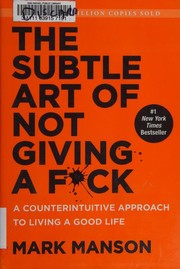
The Subtle Art of Not Giving a F*ck
The source of the problem-selection philosophy. Manson argues that happiness comes from solving problems you care about, not from avoiding problems altogether.
View on Amazon →
The Courage to Be Disliked
Explores how many of our problems are self-created through pursuit of approval. Choosing different problems (contribution over recognition) transforms life experience.
View on Amazon →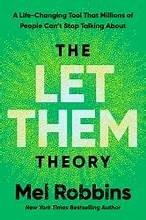
The Let Them Theory
Many problems we struggle with involve other people. Robbins shows how releasing others' problems back to them frees you to focus on your chosen struggles.
View on Amazon →