The Framework
- Track your attention for one week. Log where your focus goes: screen time by app, time spent in different activities, what you think about. Awareness precedes change.
- Categorize by return on attention. Divide activities into high-return (skill-building, relationships, meaningful work) and low-return (passive scrolling, worry, comparison). Be honest.
- Identify attention leaks. Find the biggest drains: apps, habits, thought patterns, or people that consume attention without delivering value. These are your targets.
- Redirect, don't just eliminate. Attention freed from low-value targets needs a new home. Assign specific high-value alternatives. Nature abhors an attention vacuum.
- Build attention rituals. Create routines that protect focus: morning deep work, notification batching, scheduled social media windows. Structure protects attention from drift.
Use It When
- You feel busy but aren't accomplishing what matters.
- Hours disappear without clear recollection of where they went.
- You want to focus deeply but can't sustain concentration.
- Digital distractions are fragmenting your attention.
- You sense your attention is being exploited by others' priorities.
Avoid When
- You're recovering and need rest without productivity pressure.
- Obsessive tracking would add stress rather than reduce it.
- You're in a season that legitimately requires scattered attention.
- The audit becomes another form of procrastination.
Examples
Screen time shows 3 hours daily on social media. The return: mild entertainment, comparison-induced anxiety. Redirect: cut to 30 minutes scheduled, invest 2.5 hours in reading, exercise, or creative work.
Notice you spend significant mental energy worrying about what others think. The return: nothing—it doesn't change their opinions. Redirect that energy to work you control and relationships that matter.
Track shows 3 hours daily in meetings, many unnecessary. The return: often low—coverage, not contribution. Audit each meeting. Decline or shorten where possible. Protect blocks for deep work.
Realize you give attention to people who drain you while neglecting those who energize you. Rebalance: reduce time with energy-draining relationships, invest more in people who matter.
Further Reading

The Anxious Generation
Documents the attention crisis created by smartphones and social media. Understanding how attention is being systematically captured helps motivate its protection.
View on Amazon →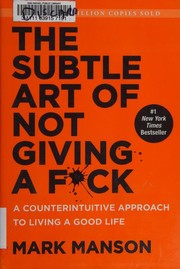
The Subtle Art of Not Giving a F*ck
Attention follows caring. Manson's framework for choosing what deserves your energy provides the philosophical foundation for directing attention to what matters.
View on Amazon →
Atomic Habits
Provides the tactical toolkit for building attention-protecting habits. Environment design, habit stacking, and identity change all support sustained focus.
View on Amazon →