The Framework
- Assume you have limited friction capacity each day. Willpower, decision-making energy, and mental effort deplete with use. Treat them like a budget you can spend or save.
- Reduce friction for things that matter. Automate, simplify, or pre-decide important behaviors so they require minimal effort when it's time to act.
- Add friction to things you want to avoid. Make undesirable actions harder by introducing steps, delays, or barriers. Friction protects you from autopilot behavior.
- Spend friction on high-value decisions only. Don't waste mental energy on trivial choices. Save your capacity for decisions that actually affect outcomes.
- Review your friction allocation regularly. Where are you burning energy unnecessarily? Where should you be investing more deliberate effort?
Use It When
- You feel overwhelmed by daily decisions and small tasks.
- You want to build good habits but lack consistent willpower.
- You're trying to break bad habits that happen on autopilot.
- You need to simplify your life to focus on what matters.
- You're experiencing decision fatigue or burnout.
Avoid When
- The situation requires creative thinking or exploration, not efficiency.
- You're using it to avoid necessary discomfort or growth.
- You're eliminating friction from decisions that deserve careful thought.
- You need flexibility and spontaneity rather than rigid systems.
Examples
Reduce friction: Prepare your workspace the night before. Open the document, set out your notes, queue up the task. When you sit down in the morning, there's zero friction to starting. Add friction: Log out of social media after each use. Delete apps from your phone. Make distraction require effort.
Reduce friction: Lay out gym clothes the night before. Keep healthy snacks at eye level in the fridge. Pre-portion meals. Add friction: Don't keep junk food in the house. Make ordering takeout require multiple steps. Delete food delivery apps during the week.
Reduce friction: Automate savings transfers on payday. Set up automatic bill payments. Use one credit card for simplicity. Add friction: Remove saved payment methods from shopping sites. Implement a 48-hour rule before purchases over a certain amount. Unsubscribe from promotional emails.
Reduce friction: Keep a standard meal rotation for weeknights to eliminate "what's for dinner" decisions. Create morning and evening routines so you don't decide what to do next. Add friction: Put your phone in another room at night. Use website blockers during focus time. Make time-wasting activities require deliberate setup.
Further Reading

Atomic Habits
Explains how to make good habits obvious and easy while making bad habits invisible and hard. The concept of environment design is central to managing friction effectively.
View on Amazon →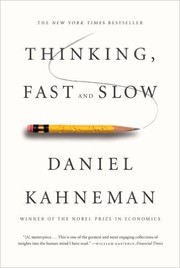
Thinking, Fast and Slow
Details how cognitive resources are limited and how decision fatigue impacts judgment. Understanding System 1 and System 2 thinking illuminates why friction management matters.
View on Amazon →
The Paradox of Choice
Shows how too many options lead to anxiety and paralysis. Demonstrates why reducing unnecessary decisions preserves mental energy for what matters.
View on Amazon →